Overview of the fencing and gate industry in Australia compiled for the 2025 Australian FENCING Conference at the Western Sydney Conference Centre in Sydney in March.
The fencing and gate industry is an essential part of Australia’s construction and infrastructure landscape. It provides safety, security, and amenity across residential, commercial, rural, and industrial environments.
Businesses operate across Australia, delivering design, fabrication, installation, and maintenance or repair services tailored to a wide range of project and client requirements.
SIZE OF THE INDUSTRY:
Estimated total businesses: More than 15,000 fencing and gate installer businesses operate across Australia.
FIA network coverage: Fencing Industry Australia (FIA) supports over 5,680 of these businesses, growing year by year.
The majority are owner-operated or family-run enterprises employing fewer than 10 people.
A growing number of mid-sized contractors employ between 10 and 30 staff, managing multiple installation crews, in-house fabrication, and regional contracts.
Several established companies employ around 30 people, supporting local manufacturing operations, apprenticeships, and large commercial or infrastructure projects.
STATE BY STATE:
The highest concentrations are in New South Wales, Victoria, and Queensland, reflecting broader construction activity.
Regional Australia maintains a strong base of rural and agricultural fencing specialists, while metropolitan areas focus on boundary, pool, architectural, and automated gate installations.
STRUCTURE OF THE INDUSTRY:
The sector is highly specialised, with many businesses diversifying across fabrication, automation, timber, security, and decorative applications.
Core Work Streams:
|
Market Segment |
Typical Work Performed |
| Commercial and Industrial | Acoustic walls, automated gates, balustrades, bollards, chain mesh, palisade, welded mesh, and other fabricated structures for warehouses, schools, and facilities. |
| Residential and Architectural | Aluminium slat and tubular fencing, balustrades, brick, COLORBOND® steel fencing, decorative screens, glass pool fencing, modular fencing, pvc, retaining walls, timber fencing, and other architectural features. |
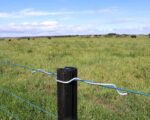
| Rural and Agricultural | Conventional wire and post fencing, electric fencing, exclusion fencing, stockyards, and post-and-rail structures for livestock and pest management. |
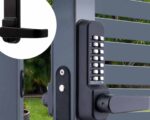
| Security and Access Control | Access control systems, automated gates, bollards, boom gates, and perimeter protection for high-security, transport, and industrial facilities. |
| Temporary and Infrastructure | Crowd barriers, site fencing, and temporary perimeter systems for construction, civil works, and events. |
PROFILE OF THE WORKFORCE:
Workforce size: Thousands of skilled tradespeople are employed across Australia, including designers, fabricators, installers, timber specialists, and automation technicians.
Business contribution: The industry underpins major segments of residential construction, infrastructure delivery, and agricultural operations.
Employment profile: A mix of technical, trade, and supervisory roles, with many businesses providing structured on-the-job training and progression pathways.
Growth drivers: Continued urban development, population growth, and demand for automated, decorative, timber, and sustainable fencing systems are expanding the industry’s scope and workforce requirements.
SUMMARY:
Australia’s fencing and gate industry includes more than 15,000 businesses, ranging from small family-owned contractors to established companies employing up to 50 staff. Fencing Industry Australia (FIA) represents and supports over 5,680 of these businesses, delivering design, fabrication, installation, and maintenance or repair services across every state and territory.
The sector plays a vital role in construction, security, agriculture, and infrastructure – combining technical skill, craftsmanship in metal and timber, and safety expertise to meet Australia’s diverse perimeter and access needs.